What's next for VFX.
Our Production Director and in-house VFXpert Jordan M Paterson shares his thoughts in breaking down the challenges of balancing cinematic craft with the speed of social content, the rise of AI, and what it all means for the industry. Overview
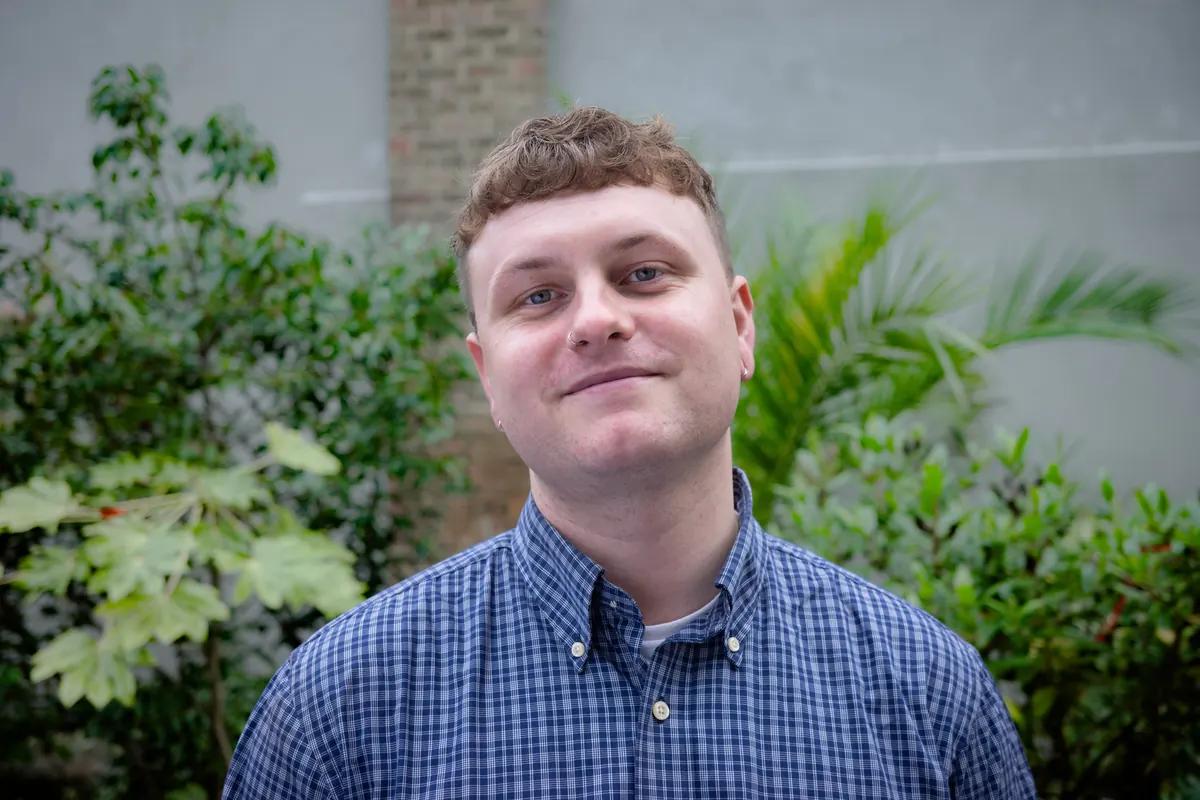
Our Production Director and in-house VFXpert Jordan M Paterson shares his thoughts in breaking down the challenges of balancing cinematic craft with the speed of social content, the rise of AI, and what it all means for the industry.
Overview of 2024 - Key VFX and Post Production Trends
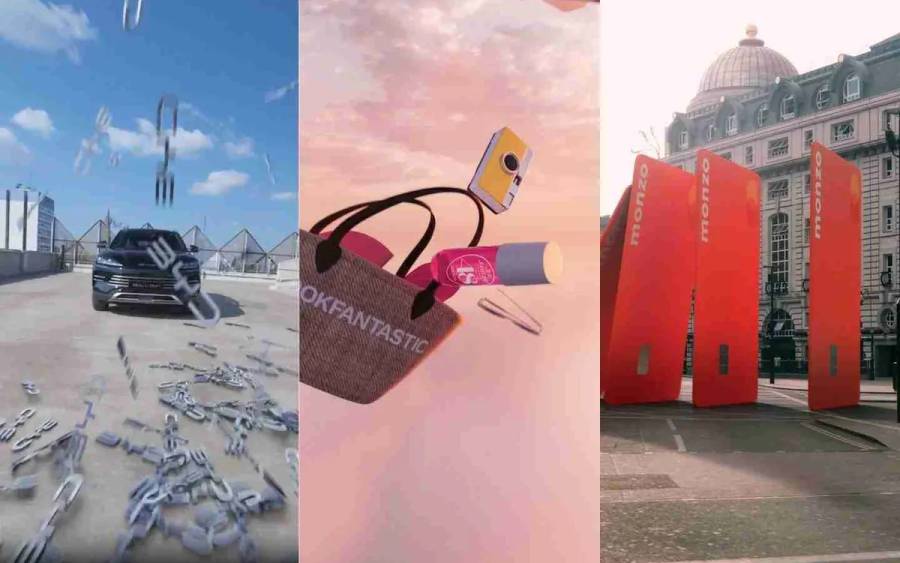
In 2024, a standout trend in the VFX and post-production space was the convergence of traditional advertising and social media platforms. Maybelline's FOOH campaign was a major milestone, blending cinematic advertising with social storytelling. If audiences believe, just momentarily, that a surreal element exists in the real world, the results can drive powerful engagement.
One unexpected trend was how quickly this blending of FOOH and social media content became mainstream. Increasingly, more brands began capitalising on the attention-grabbing nature of high-quality VFX within shareable and bite sized social formats.The most common iteration was a supersizing effect, taking a hero product and blowing it up in a real world environment.
Most Exciting Development in the Industry in 2024
The accessibility of VFX tools alongside the increasing bravery from brands have been incredibly exciting for our Production and Creative teams. As VFX becomes more accessible to a wider range of creators, the pressure is on for brands to push boundaries and deliver more innovative, impactful work. This has fostered an atmosphere of creativity where thinking outside the box is not just encouraged but essential to achieving standout results. It's inspiring to see how the bar keeps rising, and it drives us to think bigger and bolder in every project.
Evolution of VFX and Post Over the Past Year
Over the past year, the role of VFX and post-production has become even more vital in crafting immersive experiences for social audiences. What used to be confined to big-budget films or TV ads is now being reinterpreted for the fast-paced, highly visual nature of our social feeds. With the rise of TikTok and Instagram Reels, brands are requiring high-end VFX work to be produced in shorter timeframes, this has led to a major shift in how VFX studios operate, pushing for faster turnarounds and creative content that still packs a punch.
Biggest Challenges Ahead
One of the biggest challenges ahead is the pressure to balance cinematic quality with the fast, highly iterative demands of social content. While it's great that social platforms are becoming an extension of ATL advertising, the rapid pace at which content needs to be adapted for different formats presents a challenge for post-production teams. Ensuring that VFX work stays innovative and doesn't get diluted in the pursuit of speed will be key.
How is AI Transforming Workflows in VFX and Post?
AI is undoubtedly transforming workflows in VFX and post-production, particularly in automating repetitive tasks like tracking and compositing. Personally, I've been using ChatGPT to create Python scripts for Blender plugins that automate tasks, and it's fascinating to see how AI can turn your instructions into functional code. Beyond post-production, AI is also proving useful in pre-production, especially in pre-visualization, where it can quickly generate rough drafts of scenes or concepts, saving time and helping teams visualise shots before they're fully executed. But with AI's growing influence, I find myself wondering: how is this shift changing the way we approach creative workflows? While AI makes certain tasks easier, has it also shifted the way audiences perceive VFX? It's interesting to see comments like "this is AI" on VFX-heavy ads, does this signal a change in how people view the artistry behind these effects? Are we losing sight of the intricate, hands-on craftsmanship that has long defined VFX work? These are some of the questions I'm considering as AI becomes more integrated into our industry.
Where Else Do You See Things Heading for 2025?
A continued emphasis on cross-platform content creation, with brands leaning further into the seamless integration of high-end VFX into social formats. At the same time, I believe we'll see a rise in a more hybrid aesthetic; combining the low-fi, DIY vibes with high-end VFX in a convincing, innovative way. This year has shown a shift in blending the raw energy of UGC aesthetics with the sophistication of top-tier VFX, and it's something I expect to become even more prominent in 2025.
- What Will Continue to Grow: The demand for high-quality VFX tailored for social content will keep growing. As brands realise the potential of blending traditional and digital VFX in social formats, there will be increasing pressure to innovate and stay ahead of the curve.
- What Will Fade Away: The purely traditional model of advertising, where content is made for one platform only (TV, print, etc.), will become a thing of the past. By 2025, clients will expect content that's flexible and adaptable across all platforms, from the largest to smallest screens.
- What Do You Personally Want to See Less Of: I'd like to see less of the "one-size-fits-all" approach to content. The days of creating a single piece of content for TV and repurposing it across all social channels is simply not effective. Each platform has its own unique dynamics, aesthetics and best practices, and we need to embrace that by creating content that's tailored to those environments while maintaining a cohesive creative vision.